Anywhere City stands as one of the most distinctive and imaginative locations in the Grand Theft Auto universe. Featured exclusively in Grand Theft Auto 2 (GTA 2), this retrofuturistic metropolis diverges sharply from the real-world inspirations of Liberty City, Vice City, and Los Santos. Rockstar Games used this fictional cityscape to capture a satire-laden, cyberpunk-inspired version of “Anywhere, USA,” giving fans a unique playground that’s part dystopian sci-fi, part classic open-world chaos. Even decades after the game’s release, Anywhere City remains a source of fascination, speculation, and nostalgic admiration among GTA enthusiasts.
The Soul of a Sci-Fi City: What Makes Anywhere City Unique
Launched in 1999, GTA 2 brought with it a dramatic shift from the grounded, real-world analogues of its predecessor. Anywhere City became a canvas for Rockstar’s more experimental vision—a fictional environment not pinned down by geography or reality. This freedom allowed developers to infuse the city with a blend of futuristic concepts, abstract urban planning, and aggressive satire.
The game’s ambiguous timeline—ranging from “three weeks into the future” to the year 2013—adds to the atmosphere. Streets are lined with neon signs, advanced surveillance systems, electric vehicles, and towering skyscrapers, all of which contribute to a tone that’s part Blade Runner, part tech-noir, and fully GTA.
Urban Design Across Three Radical Districts
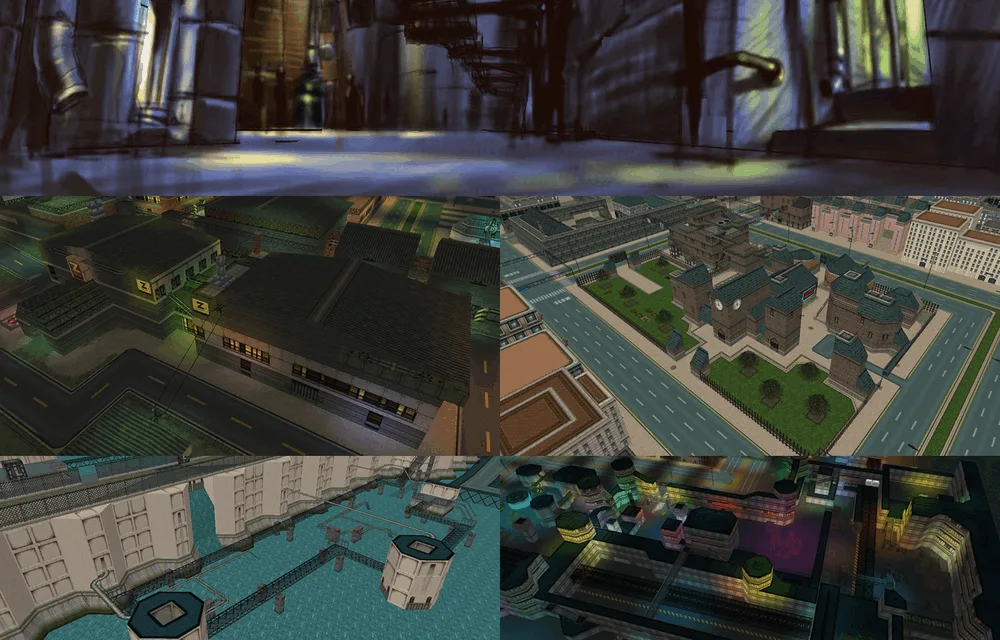
Anywhere City is segmented into three full districts, each reflecting a different mood and gameplay style. This tripartite structure enriches the overall playthrough by providing distinct visual themes and environmental challenges.
Downtown District
This is the financial and corporate heart of the city. Skyscrapers dominate the skyline, neon lights buzz from advertisements, and hovercars zip through congested lanes of traffic. The area’s verticality and density amplify the game’s chaos, making Downtown a hotspot for explosive encounters and high-speed chases.
Residential District
This district plays like a digital suburbia, featuring low-rise apartment complexes, greenery, schools, and back alleyways. It feels deceptively calm—perfect cover for some of the game’s more underhanded syndicate operations. The map design here cleverly invites exploration, hiding missions and rewards in plain sight.
Industrial District
Grimy textures, smog-filled skies, and mechanical noises define this grittier part of the city. Factories, warehouses, and power stations fill the map, many of which are interactive in ways that were ahead of their time. It’s not uncommon to find yourself amid police shootouts or gang warfare here, with environmental hazards adding layers of tension.
Dynamic Crime, Gangs, and Reputation Systems
The seven gangs of Anywhere City each claim territory and offer missions to the player—unless, of course, you’ve angered them by working for a rival. GTA 2 introduced a dynamic reputation system where your relationships with gangs would shift based on your actions. Working for one could make you a target for others, turning the city into an ever-changing battleground where consequences mattered.
The Seven Gangs
- The Zaibatsu Corporation
- The Loonies
- The Yakuza
- The Scientists
- The Rednecks
- The Russian Mafia
- The Hare Krishna
This layered social structure introduced strategic considerations into gameplay, encouraging players to think long-term while picking missions. Even today, this reputation mechanic remains one of the more underrated innovations in the franchise’s history.
A Vision Ahead of Its Time
Apart from its unique design and concept, Anywhere City boasted technical innovations that laid the groundwork for future GTA entries. Real-time traffic systems, working garages, destructible elements, and interactive characters created a living city before such features became industry standards.
While the top-down camera view may feel dated now, the kinetic energy and experimental design continue to influence fan discussions. The atmosphere, combined with a funk and electronic-inspired soundtrack, gave the city a personality of its own—gritty, comedic, and enigmatic.
Why Anywhere City Still Matters
In the world of GTA, where satire meets simulation, city environments are more than just maps—they are statements. Anywhere City boldly breaks from tradition, declaring that not all compelling worlds need to mimic reality. Fans continue to petition Rockstar for its return, with many arguing that its blend of cyberpunk aesthetics and open-ended storytelling would shine brightly in a modern-day remake or expansion.
With increasing interest in games offering both narrative flexibility and visual experimentation, a revival of Anywhere City could appeal not just to legacy fans but also to new players hungry for bold, futuristic environments. The possibilities—hovercars, faction warfare, dystopian tech, and narrative ambiguity—are limitless.
Explore More About Anywhere City
- GTA 2 on Wikipedia
- GTA Fandom Wiki – Anywhere City
- Complete Guide to GTA Locations
- GameRant: Why Anywhere City Should Return
Frequently Asked Questions about Anywhere City
What is Anywhere City in GTA?
Anywhere City is the fictional setting of Grand Theft Auto 2. Unlike other GTA cities, it is not based on a real-world location but serves as a futuristic, satirical version of a generic U.S. metropolis.
Which GTA game features Anywhere City?
Anywhere City appears exclusively in Grand Theft Auto 2, released in 1999.
Is Anywhere City based on a real city?
No, it is a completely original creation by Rockstar Games designed as a stylized, retrofuturistic urban environment.
What are the main districts of Anywhere City?
The city is divided into three primary districts: Downtown, Residential, and Industrial. Each has its own unique architecture and atmosphere.
What makes the gangs in Anywhere City unique?
The seven gangs hold different territories and offer missions. A dynamic reputation system means your standing with one gang can negatively affect your relationship with others.
Can you freely explore Anywhere City in GTA 2?
Yes, GTA 2 supports an open-world exploration model, allowing players to roam, complete missions, and interact with the environment at their own pace.
Why do fans want Anywhere City to return?
Fans appreciate its originality and believe its cyberpunk-inspired setting would thrive with modern graphics and expanded gameplay possibilities.
What is the time period of Anywhere City?
The game’s time setting is intentionally vague, described as either “three weeks into the future” or around the year 2013.
Does Anywhere City have advanced technology elements?
Yes, the city features futuristic technologies like electric cars, surveillance systems, and robotic defenses, contributing to a unique sci-fi tone.
Where can I learn more about Anywhere City?
You can explore detailed information on sites like the GTA Wiki or read analysis on GameRant.