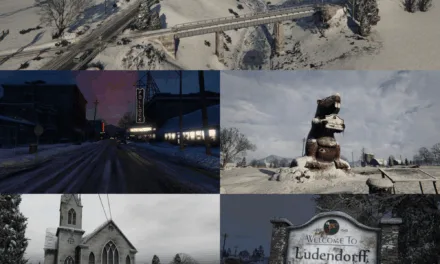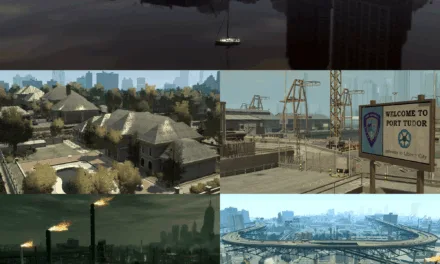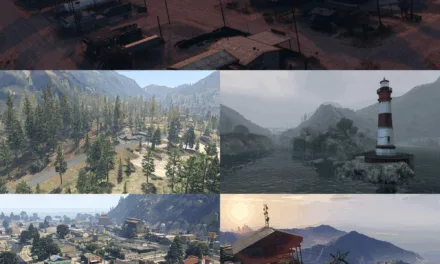

Liberty City has long been an iconic setting in the Grand Theft Auto universe, captivating gamers with its sprawling urban chaos and rich narrative history. As a virtual metropolis inspired by New York City, Liberty City stands out for its gritty atmosphere, diverse neighborhoods, and intricate portrayal of urban life. Whether you are a long-time fan of the series or new to the world of GTA, exploring the layers of Liberty City reveals a timeless representation of crime, culture, and chaos that continues to draw players into its mysteries.
The Genesis of a Virtual Metropolis
From its early design as a 2D urban playground to its evolution into a robust, three-dimensional world, Liberty City has been at the center of the Grand Theft Auto series for decades. Originally appearing in the earliest incarnations of GTA, the city was conceptualized as a living, breathing entity that mirrors the complexity of New York City. The evolution of Liberty City reflects not only improved graphics and gameplay mechanics but also a deepening narrative that brings the urban environment to life.
In its many forms, Liberty City has been a silent character in the GTA saga. Game developers meticulously crafted this sprawling environment, ensuring that every street corner, busy avenue, and shadowy alleyway contributed to an immersive narrative. The city’s layout, inspired by New York City, incorporates landmarks, diverse districts, and a palpable socio-political commentary on urban life. For more detailed insights into the origins of Liberty City, check out Liberty City on GTABoom.
Evolution Through the GTA Universe
Over the course of multiple releases, Liberty City has undergone significant transformations. In the early 2D universe, the city served as a simple backdrop for the emerging themes of crime and rebellion. However, with the transition to a 3D universe in titles like Grand Theft Auto III and Liberty City Stories, the city gained depth and realism. These iterations presented a more dynamic environment where the interactions between various gangs, families, and individuals painted a vivid picture of urban decay and ambition.
Each new title reimagined aspects of the city. For instance, Grand Theft Auto IV’s version of Liberty City, set in the HD universe, features a reworked design that retains the socio-cultural parallels with New York City while incorporating modern technology and storytelling techniques. The evolution of Liberty City mirrors the evolution of video game technology itself, becoming more sophisticated and layered with each title.
Urban Landscape and Iconic Locales
Liberty City is divided into distinct districts, each mirroring the diverse neighborhoods of a real metropolis. The city is often broken down into three major islands: Portland, Staunton Island, and Shoreside Vale. Portland, echoing the industrial nature of New York’s outer boroughs, is depicted as a hub for factories, docks, and organized crime. In contrast, Staunton Island represents the city's commercial core, home to towering skyscrapers and bustling markets reminiscent of Manhattan. Shoreside Vale adds a suburban flair, portraying the more upscale residential areas that cater to the city's wealthy elite.
This carefully crafted design has allowed gamers to explore not only a virtual representation of urban decay and prosperity but also a layered socio-economic narrative. The districts are interwoven with stories of power struggles, cultural clashes, and personal ambition, making each neighborhood a character in its own right. For a deeper dive into the city's geography and how it mirrors New York City, visit Liberty City Details (GTABoom).
Cultural Impact and Satirical Insights
One of the enduring hallmarks of Liberty City is its role as a satirical mirror of modern society. The city is a playground for exploring themes such as corruption, power, and the underbelly of urban existence. Through its in-game radio stations, television programs, and vivid street art, Liberty City serves as more than just a setting; it is a biting commentary on the excesses of capitalism and the inherent contradictions of modern urban life.
GTA titles often use Liberty City as a canvas to highlight socio-political issues, offering a narrative that is at once entertaining and thought-provoking. The city's chaotic energy, rooted in its portrayal of rampant crime and systemic corruption, invites players to question the nature of progress and the price of modernity. This interplay between satire and realism gives the experience a timeless quality, ensuring that Liberty City remains relevant regardless of technological advancements or shifting cultural landscapes.
The Untold History and Timeless Appeal
Beyond its immediate portrayal in individual game titles, Liberty City boasts a detailed backstory that spans centuries and multiple virtual eras. In the 2D universe, Liberty City was established in the early days of American history, setting the stage for its transformation into a city synonymous with opportunity and peril. As the series transitioned into the 3D and HD universes, the city's origins were reimagined, with each iteration adding layers of complexity to its narrative.
Using historical cues and creative reimaginings, the developers have provided a fictional timeline that is both engaging and historically resonant. The city started as a modest settlement, growing rapidly into a sprawling metropolis filled with conflicting energies. Whether it was the rise of mob families in the 3D universe or the maturation of a modern crime epic in the HD universe, Liberty City has continually reinvented itself. This evolutionary approach ensures that even as real-world cities change, Liberty City remains an evergreen symbol of urban storytelling and digital artistry.
The seamless integration of historical context with modern game design allows Liberty City to stand as a testament to the creative vision behind the GTA series. Its enduring popularity is a direct result of how effectively it melds past narratives with futuristic visions of urban decay and renewal.
Legacy and the Power of Immersive Storytelling
Liberty City has had a profound influence on the gaming industry, redefining what players expect from an urban setting in a video game. Its detailed representation of urban life, combined with a rich tapestry of characters and narratives, has left an indelible mark on the design of virtual worlds. The city is not just a backdrop; it is a character that drives many of the stories within the GTA series, showcasing the power of immersive storytelling.
Developers have continually used Liberty City as a tool not only to entertain but also to challenge players by presenting morally ambiguous characters set against a backdrop of systemic decay. The interplay between personal ambition and societal pressures is a recurring theme in the series. As players navigate this digital environment, they are invited to explore the deeper philosophical questions of identity, power, and the American Dream. This unique blend of narrative depth and interactive gameplay ensures that Liberty City remains a beloved and enduring icon within the world of video games.
The legacy of Liberty City lies in its ability to evolve while staying true to the core themes that have defined the GTA series. It continues to be a source of inspiration for game developers and a benchmark for urban storytelling in digital media.
Frequently Asked Questions about Liberty City
What is the origin of Liberty City in the GTA series?
Liberty City was originally conceptualized as a virtual representation of New York City. Over the years, the city has evolved from a simple 2D playground into a complex, multi-layered metropolis featured in several GTA titles. Its rich history and varied environments have cemented its status as a staple in the series.
How is Liberty City modeled after New York City?
The design of Liberty City incorporates many aspects of New York City including its urban layout, diverse neighborhoods, industrial zones, and iconic landmarks. The city is divided into distinct districts that mirror the real-life boroughs and neighborhoods of New York, showcasing both its vibrancy and gritty undertones.
In which GTA titles does Liberty City appear?
Liberty City has been prominently featured in several GTA games. It first appeared in the original GTA titles, then evolved through Grand Theft Auto III, Liberty City Stories, GTA Advance, Grand Theft Auto IV, and the episodic expansions such as The Lost and Damned and The Ballad of Gay Tony, as well as Grand Theft Auto: Chinatown Wars.
What are the key neighborhoods within Liberty City?
Liberty City is generally divided into three major areas: Portland, the industrial and working-class district; Staunton Island, which represents the commercial and governmental heart of the city; and Shoreside Vale, a suburban area that signifies wealthier residential neighborhoods. Each area plays a unique role in the city's overall narrative.
How has Liberty City evolved throughout the different GTA universes?
In the 2D universe, Liberty City was portrayed as a classic criminal haven. With the advent of 3D gameplay in GTA III and Liberty City Stories, the city expanded both in scale and complexity. The HD universe, featured in Grand Theft Auto IV, further modernized the city with enhanced graphics and deeper storytelling, reflecting a more dynamic and immersive environment.
What role does Liberty City play in GTA's storytelling and gameplay?
Liberty City is more than just a backdrop for action-packed gameplay; it is an essential element of the narrative. The city's diverse populations, socio-economic contrasts, and historical context provide a rich setting that drives conflict, character development, and immersive storytelling throughout the series.
Why is Liberty City considered an evergreen setting in gaming?
Its timeless design, deep narrative roots, and continuous evolution across multiple game generations ensure that Liberty City remains relevant. The city adapts to changing gameplay mechanics and evolving cultural themes, making it a lasting symbol of urban chaos and dynamic storytelling in video games.
How does Liberty City incorporate elements of crime and satire?
Liberty City serves as a satirical microcosm of urban life. The depiction of rampant crime, corruption, and socio-economic disparities is infused with dark humor and social commentary, reflecting the excesses and contradictions of modern urban society. This blend of satire and realism adds depth to the overall gaming experience.
Can players explore all parts of Liberty City in GTA games?
Yes, the design of Liberty City encourages exploration. Each district is filled with unique landmarks, hidden secrets, and dynamic cityscapes that beckon players to discover the many layers of its narrative. Whether navigating busy streets or venturing into less-traveled areas, players can experience a variety of environments that enhance the overall immersion.
What external resources can I consult for more detailed information on Liberty City?
For further insights, you can explore dedicated resources such as Liberty City on GTABoom, the Liberty City Stories – Wikipedia page, and various fan-driven wikis like Liberty City on GTA Wiki.