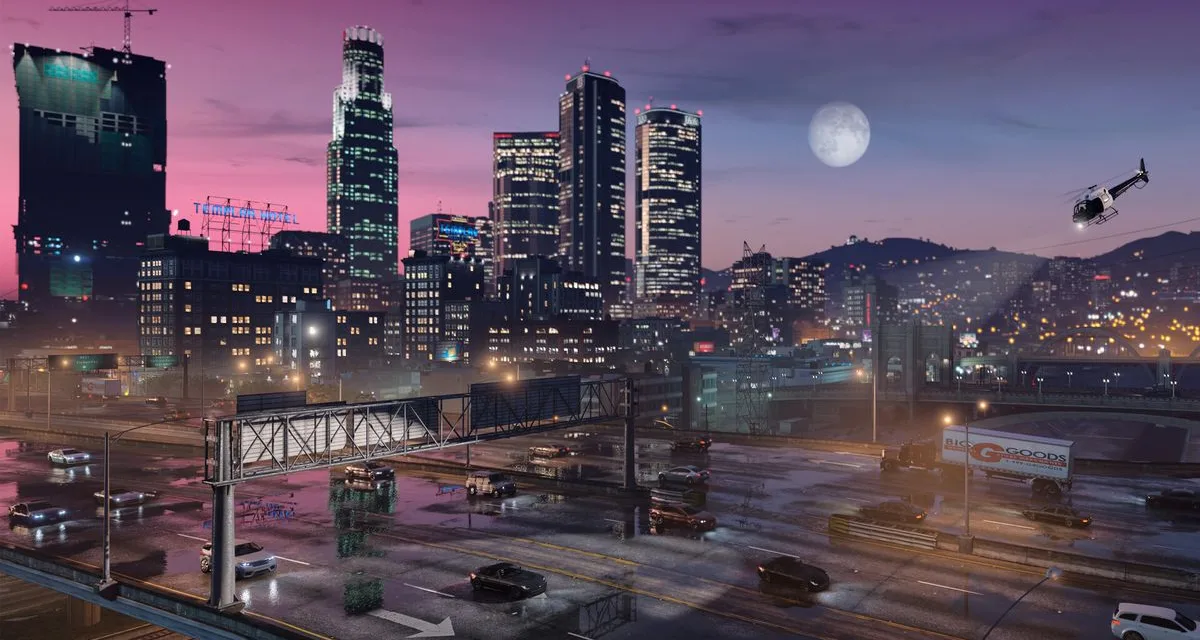
How realistic is Los Santos in GTA 5 compared to Los Angeles? The short answer: remarkably so. Rockstar Games meticulously designed Los Santos not just as a generic city, but as an intricate love letter to Los Angeles, mirroring its geography, culture, and iconic landmarks. While certain practical and comedic liberties are taken for gameplay, the heart and soul of Los Angeles pulse through every corner of Los Santos. From the sprawling skyline to the gritty industrial docks, the virtual metropolis stands as one of the most authentic virtual cities ever built in gaming.
Los Santos vs. Los Angeles: An Overview of Authenticity
Stepping into Los Santos in Grand Theft Auto 5 is akin to landing in a virtual Los Angeles. The game world resonates with instantly recognizable locations, city scales, and even the atmospheric vibe found in Southern California. Through a purposeful blend of creative adaptation and faithful recreation, the developers have transformed inspiration into a living, breathing simulation that closely mirrors its real-world muse.
Curious to see a visual side-by-side? Check out this detailed comparison:
Iconic Landmarks: Pixel-Perfect Replicas
LS International Airport and LAX
One of the most striking examples of Rockstar’s attention to detail is LS International Airport, a faithful reimagining of Los Angeles International Airport (LAX). The design is so close that frequent flyers will recognize the layout, runway structure, and even architectural flourishes. While the virtual airport is conveniently adjacent to the city’s shipping port (unlike the real LAX), the ambiance and scale capture the real airport’s bustling atmosphere.
The Port of Los Santos and Terminal Island
The Port of Los Santos is a direct nod to Terminal Island, anchoring the city’s industrial district. It includes accurate features such as immense shipping containers, sprawling docks, and even the roadways leading toward central Los Santos. Players can immerse themselves in the kind of gritty commerce that defines Los Angeles’s actual working waterfront—a level of authenticity few games attempt.
Vinewood Bowl and the Hollywood Bowl
Hidden in the Vinewood Hills, the Vinewood Bowl pays clear tribute to the legendary Hollywood Bowl. The amphitheater mimics the outdoor stage, tiered seating, and even the parking lots and greenery surrounding it. In real life, the Hollywood Bowl boasts one of the world’s most iconic music venues, and the in-game version mirrors its cultural importance in Los Santos’s entertainment scene.
For an in-depth look at these iconic locations, explore this engaging video:
City Layout: Geographic Fidelity Meets Creative Freedom
Los Santos’s city layout is not a one-to-one recreation, but rather a carefully compressed and stylized interpretation of Los Angeles. This approach allows Rockstar to pack the essence of L.A.’s sprawling geography into a playable open world without sacrificing variety or density.
- Neighborhoods: From the glitzy Vinewood (Hollywood), wealthy Rockford Hills (Beverly Hills), and vibrant downtown core, to beachside Vespucci (Venice Beach), almost every major L.A. district is represented with a twist.
- Street Grids and Highways: The grid patterns, winding canyons, and extensive freeway systems all pay homage to the bewildering network of L.A. roads. The map successfully fuses famed routes and junctions into an explorable sandbox, recognizable to any Angeleno.
- Topography: From serene coastal stretches to arid inland landscapes and mountainous backdrops, the natural diversity mirrors the greater Los Angeles area, making the world feel enormous and alive.
For a breakdown of real-world inspirations, check out this comprehensive article.
Culture, Atmosphere, and Small Details
Los Santos channels the infectious energy, culture, and urban quirks of Los Angeles. Whether it’s the omnipresent car culture, vibrant mix of street art, sun-drenched aesthetics, or socioeconomic contrasts between neighborhoods, the virtual city pulses with authenticity.
Cultural nuances—from fashion to food trucks and celebrity sightings—are woven into Los Santos’s fabric, bringing echoes of real-life L.A. street scenes to every player encounter. Street names, storefronts, and the mix of luxury and grit make traversing its streets feel like wandering through an exaggerated but instantly familiar version of Southern California.
Creative Liberties and Differences
While the resemblance is striking, Rockstar did make intentional creative changes for gameplay and narrative reasons. Some city features have been humorously parodied or exaggerated, skyscrapers are repositioned for dramatic effect, and distances between neighborhoods are dramatically shortened. This results in a world that is more convenient and fun to traverse, without the sprawl and traffic that define L.A.’s real-life commute.
Additionally, some real-world landmarks have been blended or renamed to fit the satirical universe of Grand Theft Auto. While this bends strict realism, it creates a playful mix of accuracy and parody that gives Los Santos its unique identity.
The Verdict: How Realistic Is Los Santos Compared to Los Angeles?
Ultimately, Los Santos stands as one of the most realistic and recognizable virtual portrayals of Los Angeles ever realized in gaming. If you’ve walked the streets of L.A., you’ll recognize the sights, sounds, and spirit recreated with Rockstar’s signature attention to detail. While it isn’t a perfect map, it effortlessly captures the urban sprawl, landmarks, and culture, all wrapped in the satirical style beloved by GTA fans. Whether you’re a Los Angeles native or visiting virtually for the first time, Los Santos offers an unparalleled, immersive experience—equal parts celebration and caricature of the City of Angels.
Frequently Asked Questions
What real-life cities is Los Santos based on?
Los Santos is primarily based on Los Angeles, California, but it also incorporates elements of other Southern California regions. Most of its neighborhoods, landmarks, and environments directly mirror those found in Los Angeles and its surrounding cities.
Are the street names and layouts in Los Santos the same as in Los Angeles?
While Rockstar Games took artistic liberties with some names and arrangements, many street layouts and freeway systems in Los Santos closely resemble Los Angeles’s real-life geography. Street names, however, are mostly fictional—often used to deliver social commentary or humor.
Which Los Angeles landmarks appear in Los Santos?
Key landmarks like LAX (as LS International Airport), the Hollywood Bowl (as Vinewood Bowl), Santa Monica Pier (as Del Perro Pier), and the Griffith Observatory (as Galileo Observatory) all have direct equivalents in Los Santos. Numerous lesser-known sites and neighborhoods also receive a digital tribute.
How accurate is the geography and scale of Los Santos?
Los Santos compresses Los Angeles’s vast sprawl to fit GTA 5’s gameplay needs. Distances between locations are much shorter and some geographical features have been shifted or scaled down. Despite this, the city’s layout and topographical variation feel authentic and instantly recognizable.
Did Rockstar map Los Angeles in person to create Los Santos?
Yes, Rockstar’s development teams spent significant time in Los Angeles, studying its neighborhoods, capturing reference photography, and immersing themselves in the city’s culture to ensure a faithful recreation. Their research is reflected in the level of architectural and atmospheric detail seen throughout Los Santos.
Can you visit every part of Los Angeles in GTA 5?
No, although many iconic neighborhoods and locations are represented, Los Santos is a selective and blended version of Los Angeles. Some districts and landmarks are omitted or merged for gameplay efficiency, ensuring a focused but rich urban experience.